
Joint Mechanics
Synovial Circulation in Sedentary Schedules
Why periodic low-load joint articulation preserves articular cartilage integrity better than high-intensity weekend bursts.
Naluri provides practical biomechanical frameworks to counterbalance prolonged desk work, rebuild natural walking rhythm, and protect joint longevity.
Walking frequency directly influences lower-limb circulation and hip capsule lubrication.
Learn to maintain neutral spinal alignment during intensive desk work, reducing cervical compression and muscular strain through biomechanical micro-adjustments.
Explore Posture Modules →Establish sustainable rhythmic walking habits that stimulate systemic lymphatic drainage, hip capsule mobility, and aerobic baseline endurance.
View Cadence Protocols →Targeted evening decompressive sequences designed to calm sympathetic tone, release postural tightness, and support deep sleep hygiene.
Review Recovery Guides →
Modern work environments confine the human musculoskeletal architecture into prolonged static seating. Over months and years, this immobility leads to shortened hip flexors, weakened gluteal activation, and forward-head posture.
At Naluri, we emphasize small, frequent movement inputs rather than sporadic bouts of exhaustion. Grounded in functional kinesiology, our frameworks demonstrate how simple adjustments to your daily cadence create profound physical longevity.

Ergonomics is not merely purchasing an expensive chair; it is an active discipline of dynamic postural variation. The ideal seated posture is one that transitions frequently into gentle standing and spinal decompression.
Our editorial research focuses on practical adjustments you can implement anywhere: screen elevation angles, lumbosacral alignment awareness, and wrist neutrality during typing sessions.
Explore Ergonomic ProgramsExplore our latest educational essays examining the intersections of walking mechanics, workplace ergonomics, and neuromuscular recovery.
Why periodic low-load joint articulation preserves articular cartilage integrity better than high-intensity weekend bursts.
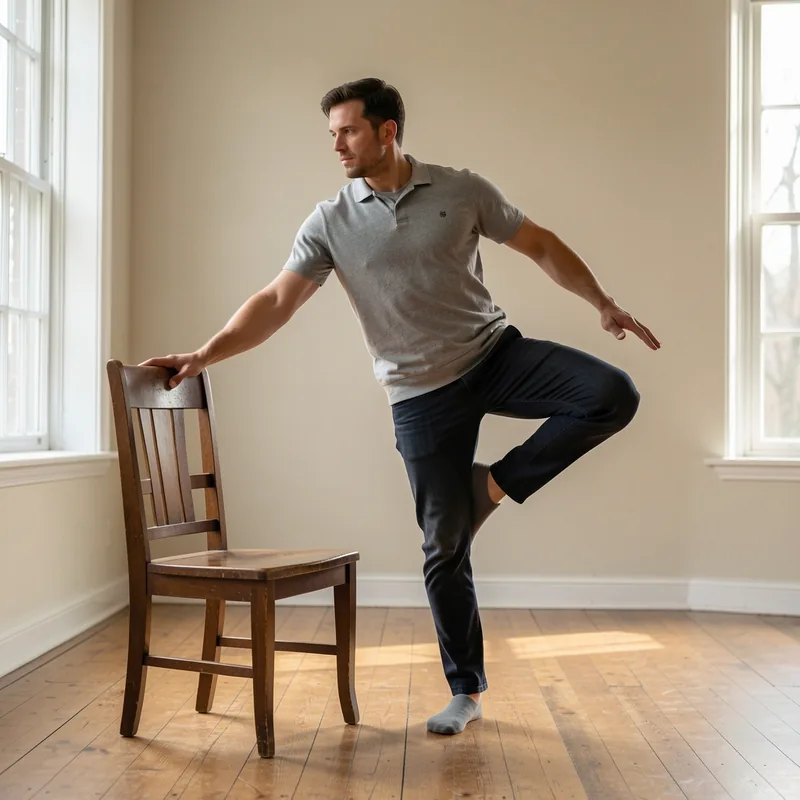
Analyzing how stride length and ground contact time balance unilateral loading across the sacroiliac and lumbar complexes.
A practical framework for transitioning the central nervous system from desk alertness into restorative sleep states.
Our editorial desk is available to address your educational inquiries on walking cadence, desk ergonomic adjustments, or mobility program structure.