Naluri
Editorial Library

Biomechanics & Movement Insights

Evidence-informed publications translating human movement science into sustainable daily practices for modern professionals.

Walking cadence and step mechanics
Walking Mechanics

The Science of Daily Walking Cadence

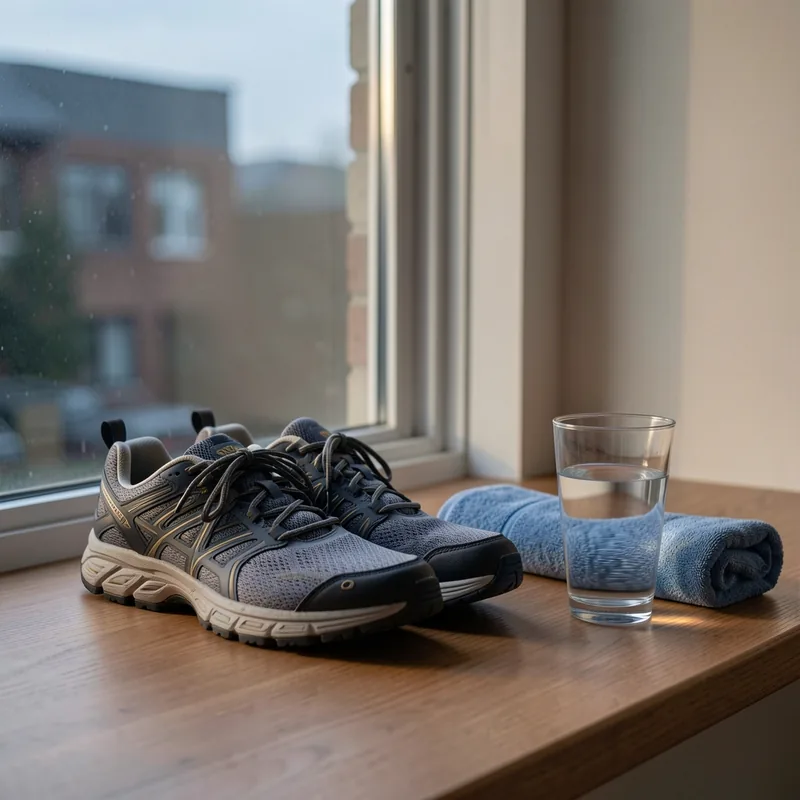
Research demonstrates that step cadence—the number of steps taken per minute—dictates hemodynamic response and hip rotation more effectively than raw step counts alone. Maintaining a brisk cadence of 105 to 115 steps per minute stimulates mitochondrial respiration and encourages natural spinal counter-rotation.


Desk ergonomics and spine alignment
Ergonomics

Neutral Spine Dynamics in Seated Work

Sustained desk work often causes progressive posterior lumbosacral tilt, flattening the natural lumbar lordosis and transferring shear stress into cervical segments. This article outlines biomechanical strategies to maintain spinal neutral using angled seat wedges and adjustable monitor heights.

Joint mobility and synovial circulation
Joint Mobility

Synovial Dynamics in Sedentary Lifestyles

Unlike vascularized muscle tissue, articular cartilage relies on intermittent compressive loading and motion to circulate nutrient-rich synovial fluid. Controlled articular rotations of the hip and shoulder joints preserve range of motion and joint longevity without requiring high muscular fatigue.

Active recovery and sleep hygiene
Active Recovery

Parasympathetic Downregulation & Sleep

Mental exertion and digital screen exposure stimulate sympathetic dominance well into the night. Engaging in slow diaphragmatic breathing accompanied by low-intensity passive stretches triggers the vagus nerve, initiating restorative deep sleep cycles and accelerating muscular recovery.

Functional balance and stability
Functional Movement

Thoracic Mobility vs Lumbar Stability

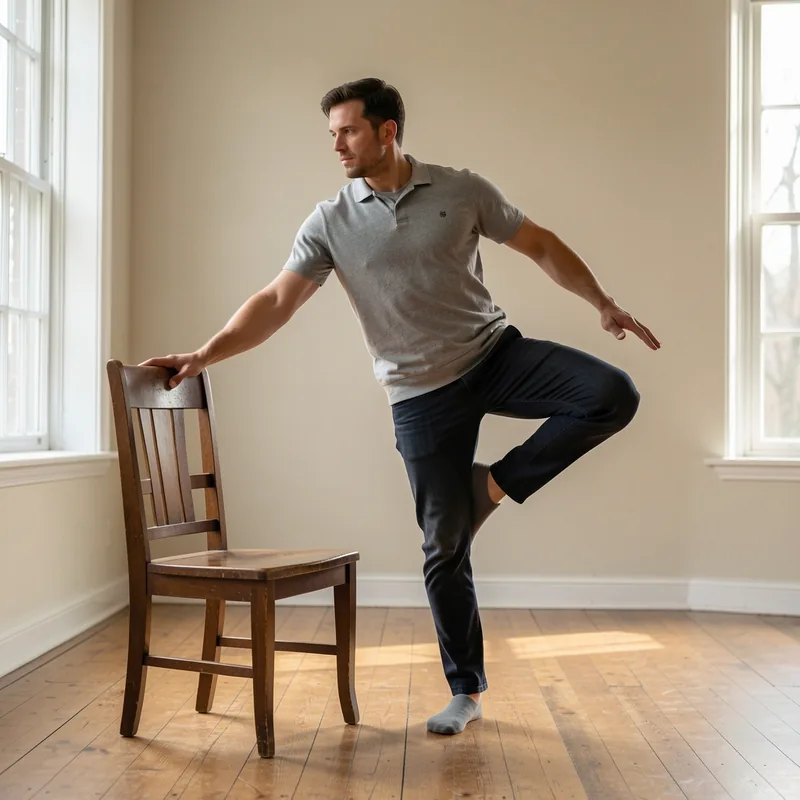
The human spine operates on alternating regional requirements: the lumbar spine requires stability against excessive rotational shear, while the thoracic spine requires rotational freedom. Restoring thoracic mobility protects the lower back during everyday bending and reaching tasks.

Daily movement frequency over intensity
Movement Philosophy

Frequency Over Exhaustion

Why spending 45 minutes once a week in an intense workout does not undo 50 hours of uninterrupted static sitting. Understanding the biological imperative of micro-movements, postural transitions, and consistent daylight exposure for total vitality.

Editorial Integrity

Rigorous Peer and Editorial Review

All Naluri essays are developed in accordance with published biomechanical research literature and reviewed by our editorial team prior to dissemination.

Meet Our Editorial Team