Breathing
Use breath as information, not a test.
Breathing practice can support attention, pacing, and a clearer sense of effort during movement.
The useful question is often not whether breathing looks perfect, but whether it helps you stay present.
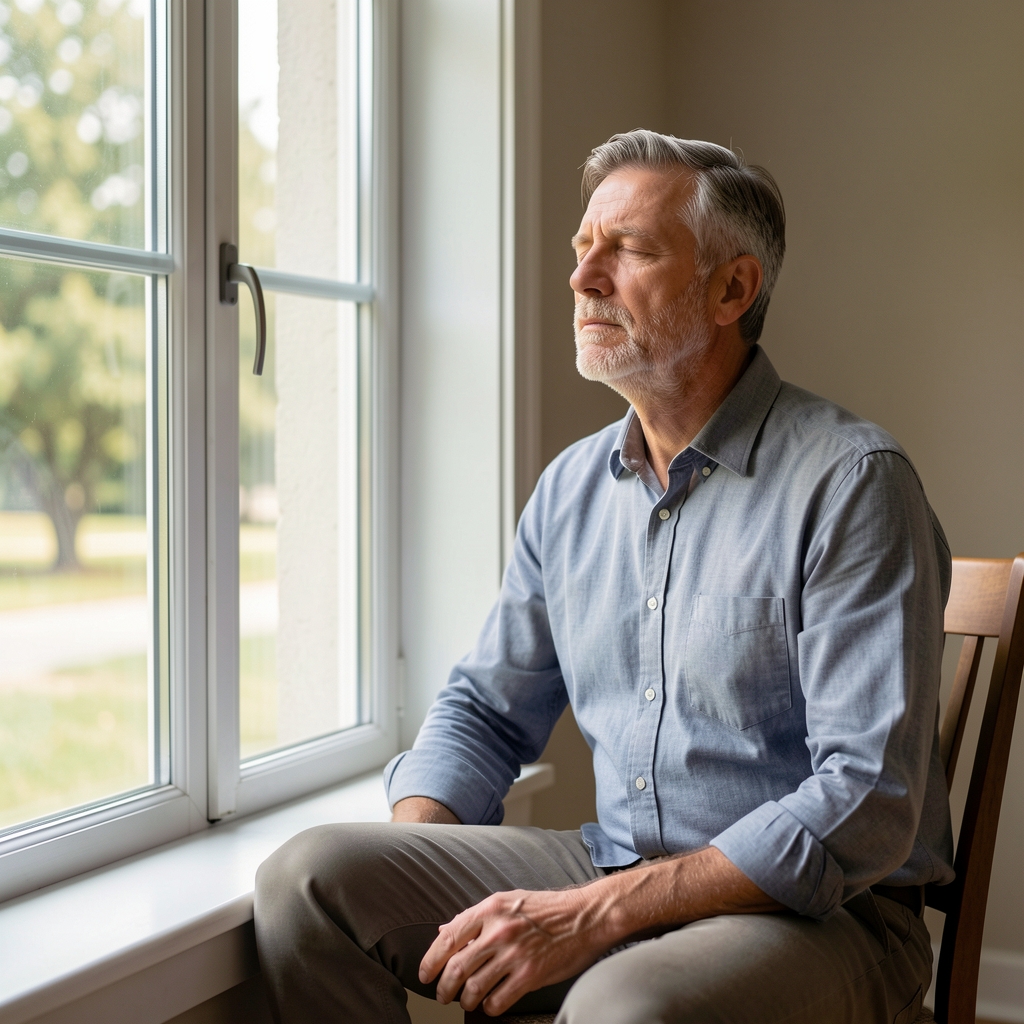
Observe before changing
Notice whether the breath is quiet, hurried, held, or matched to the movement. The observation itself can slow an automatic reaction. A relaxed jaw, soft shoulders, and a comfortable exhale are practical reference points, but every person’s rhythm will vary with heat, conversation, pace, and emotion.
- Begin seated or walking slowly in a familiar place.
- Let the breath remain comfortable rather than forcing a longer count.
- Use pauses between drills to return to ordinary breathing.
If breathing becomes unusually difficult, or if symptoms feel concerning, stop the activity and seek appropriate local assistance.
Three gentle experiments
- Notice: spend one minute identifying the natural inhale and exhale.
- Coordinate: exhale during an easy effort such as standing or reaching.
- Recover: slow the pace and wait for breathing to settle before repeating.
These experiments are intentionally modest. They teach timing and awareness without turning a natural function into a performance metric.
Breath and pace
| Movement | Attention | Useful adjustment |
|---|---|---|
| Easy walking | Can you speak comfortably? | Shorten the route or slow the pace |
| Strength practice | Can you avoid unnecessary breath holding? | Reduce load and reset |
| Mobility | Does the exhale soften effort? | Use a smaller range |
“Breath gives the session a rhythm.”
“Attention is a form of pacing.”
“A smaller range can still be useful.”