Sleep
Recovery begins before the session.
Sleep is part of an active life: a rhythm shaped by light, timing, movement, work, and the habits around bedtime.
A steady evening is often built from small decisions made much earlier in the day.
Read the rhythm
People do not sleep in identical patterns, and a single night does not describe a whole week. Notice when energy rises, when concentration falls, and how late movement or heavy work changes the evening. A journal can make those relationships visible without turning rest into another performance test.
- Keep wake time reasonably consistent when work and family schedules allow.
- Seek outdoor light early in the day and reduce bright stimulation near bed.
- Use a quiet wind-down sequence that can survive travel or a busy household.
An evening sequence
- Finish demanding tasks and write down tomorrow’s first practical step.
- Prepare clothing, water, and the room so fewer decisions remain.
- Choose reading, breathing, or gentle mobility instead of an intense challenge.
- Keep the bed associated with rest rather than prolonged work messages.
The sequence is deliberately ordinary. Its value comes from repetition and from making the transition recognisable, not from a special product or a strict rule.
Sleep and training choices
| Observation | Planning response |
|---|---|
| Short night after late work | Use familiar technique and reduce complexity |
| Restless evening | Choose a calm walk or mobility session |
| Consistent, settled sleep | Progress gradually while monitoring attention |
These are conservative planning ideas, not individual medical advice. Persistent sleep disruption or a concern about safety deserves a conversation with an appropriately qualified local professional.
Make the room supportive
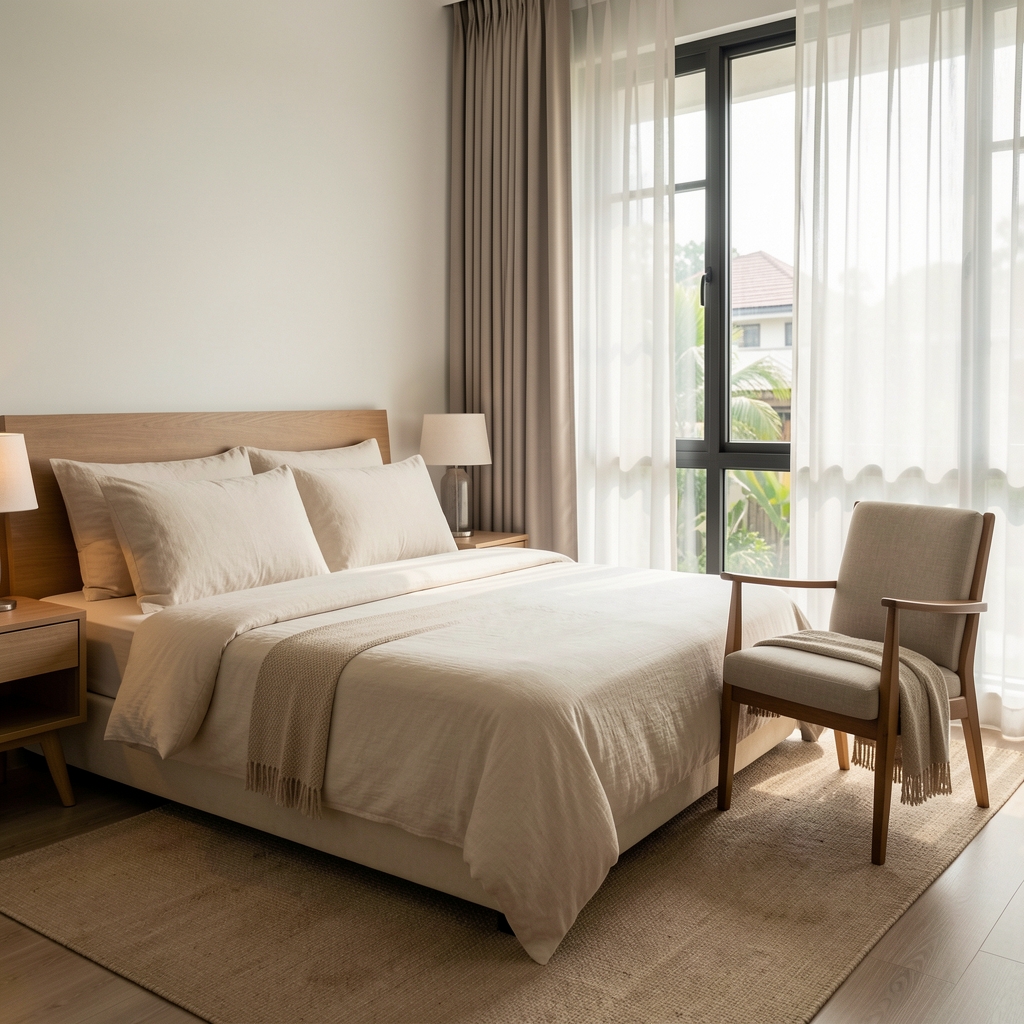
Temperature, noise, light, shared living arrangements, and late transport can all matter. Small changes such as a curtain, fan, eye covering, or device boundary may help, but the practical solution will differ between a central Jakarta apartment and a quieter home. Treat the room as part of the training environment.
- Remove a visible clock if it increases checking.
- Keep late plans simple enough to repeat.
- Review the pattern weekly rather than judging one night.