Functional training
Build patterns, not performances.
Functional training asks whether strength, balance, coordination, and stamina transfer into ordinary life.
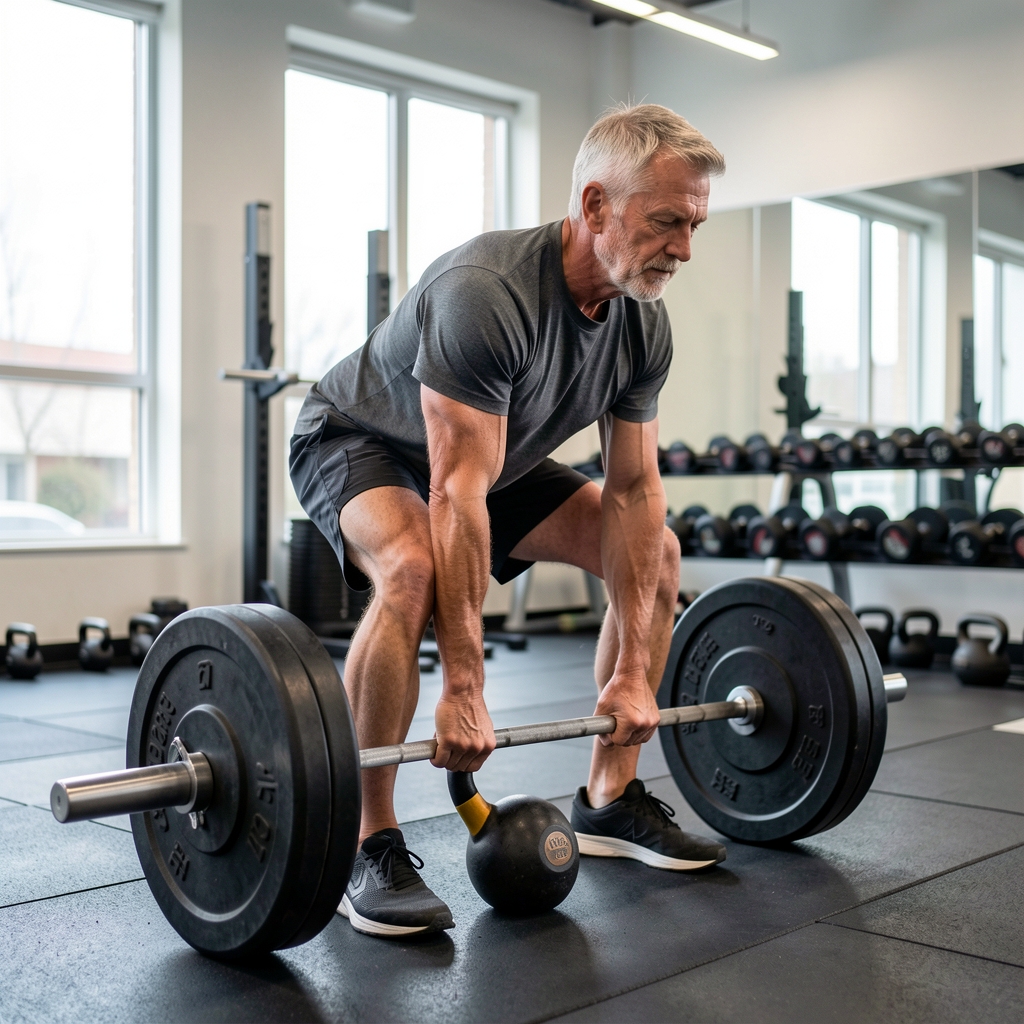
The movement menu
| Pattern | Daily relevance | Starting question |
|---|---|---|
| Squat | Chair, stairs, low surfaces | Can I keep my feet grounded? |
| Hinge | Lifting and reaching | Can my hips share the load? |
| Push and pull | Doors, bags, household tasks | Can I breathe while I work? |
| Carry | Groceries and travel | Can I stay tall without gripping hard? |
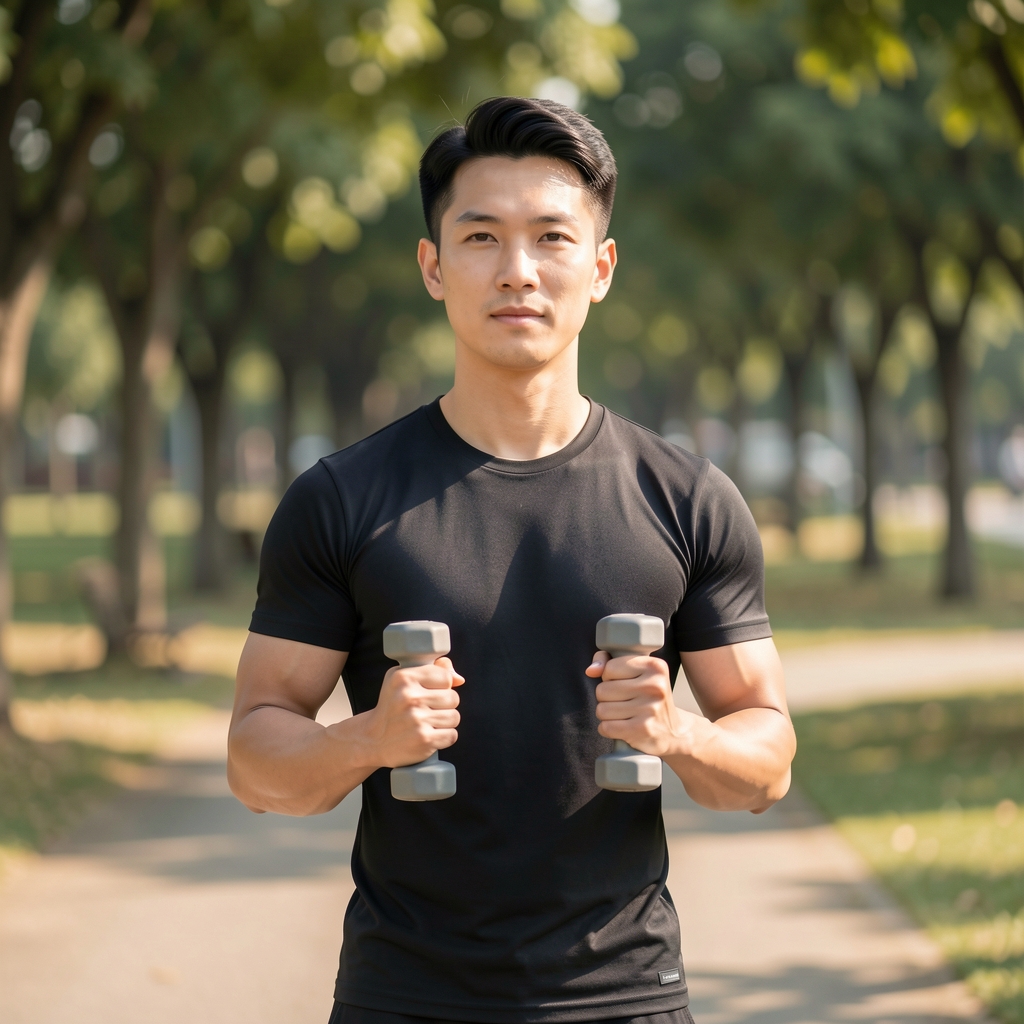
Technique is a form of attention
Choose loads that allow a quiet, repeatable rhythm. A session can be productive without ending in exhaustion. Pause when form changes, breathing becomes strained, or a familiar movement suddenly feels unfamiliar.
Two or three short sessions can be easier to sustain than one heroic appointment. Progress may mean an extra careful repetition, a smoother transition, or less hesitation.
Safety note
Sharp pain, new weakness, dizziness, and unusual breathlessness deserve professional attention rather than a harder set.