Intensity
Perceived effort, speech comfort, and breathing can provide practical context alongside wearable data.
Sports physiology
Understand effort through heart rate, breathing, fuel, heat, and recovery—not through a single score.
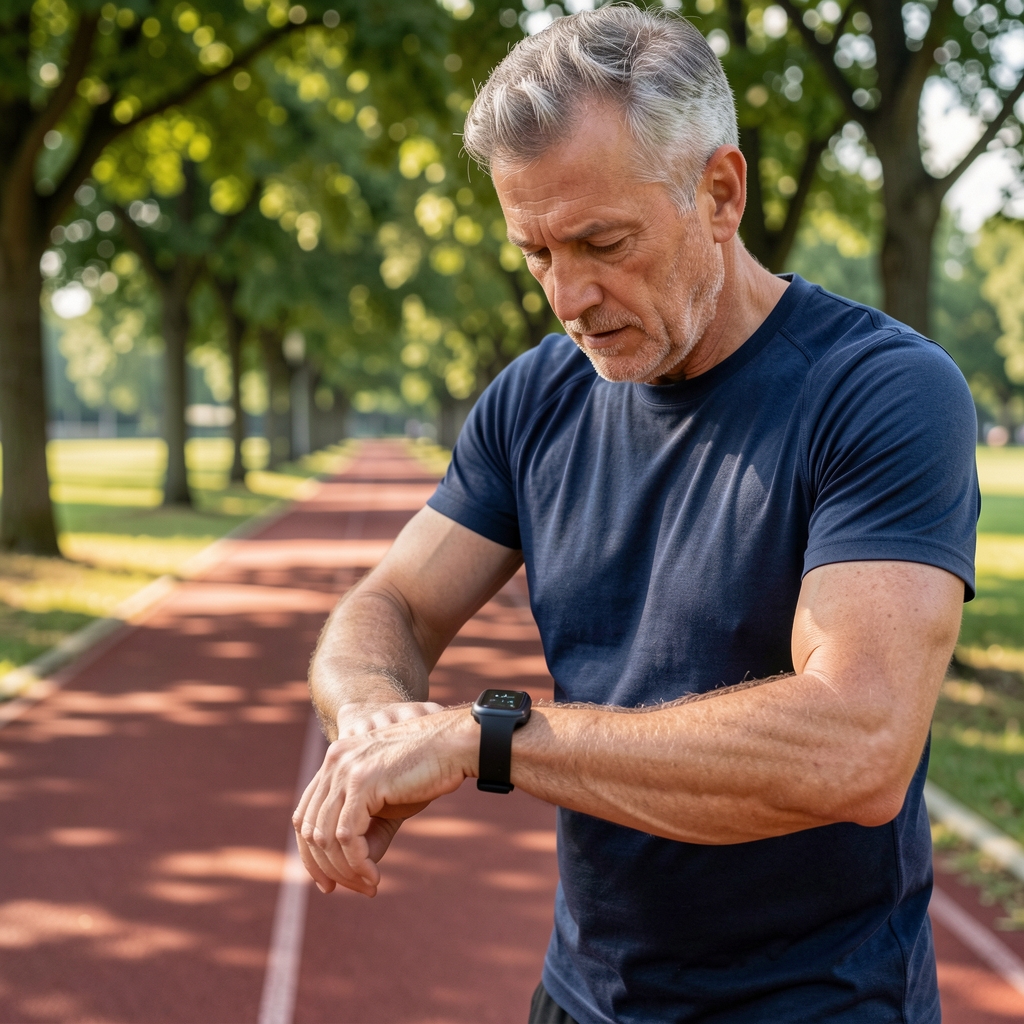
Perceived effort, speech comfort, and breathing can provide practical context alongside wearable data.
The body responds to a pattern of manageable stress followed by enough nourishment and rest.
Humidity, heat, sleep, and stress can change the cost of an identical route or session.
Wearables can help reveal trends, but readings are estimates with context. Look for repeated patterns across weeks and combine them with how you feel. A higher heart rate on a humid Jakarta morning does not automatically describe fitness; it describes a body meeting a different environment.